
Our Process
Fabric Production
Polypropylene granules are melted and extruded through a spinneret, forming long, continuous filaments.
The filaments are arranged in either a random or specific pattern to create a web, tailored to the desired fabric characteristics.
The web is bonded into a cohesive non-woven fabric using thermal, chemical, or mechanical processes, with thermal bonding .
The non-woven bonded fabric is rolled onto large spools, ready for further product making with different sizes and design processing.
Bags Production
The fabric rolls are cut into the necessary shapes and sizes using cutting machines. This step determines the bag's dimensions, including the body, handles, and gussets.
The cut fabric pieces are stitched together to form the final bag, including sewing the sides, bottom, and attaching the handles.
Handles are stitched or bonded onto the bag body to ensure they are strong enough to carry weight.
Additional reinforcement may be added at seams or handles to enhance durability.
The finished bags are inspected for any defects in stitching, printing, or material quality.
Excess threads or materials are trimmed, and the bags are cleaned if necessary.
Design and Printing
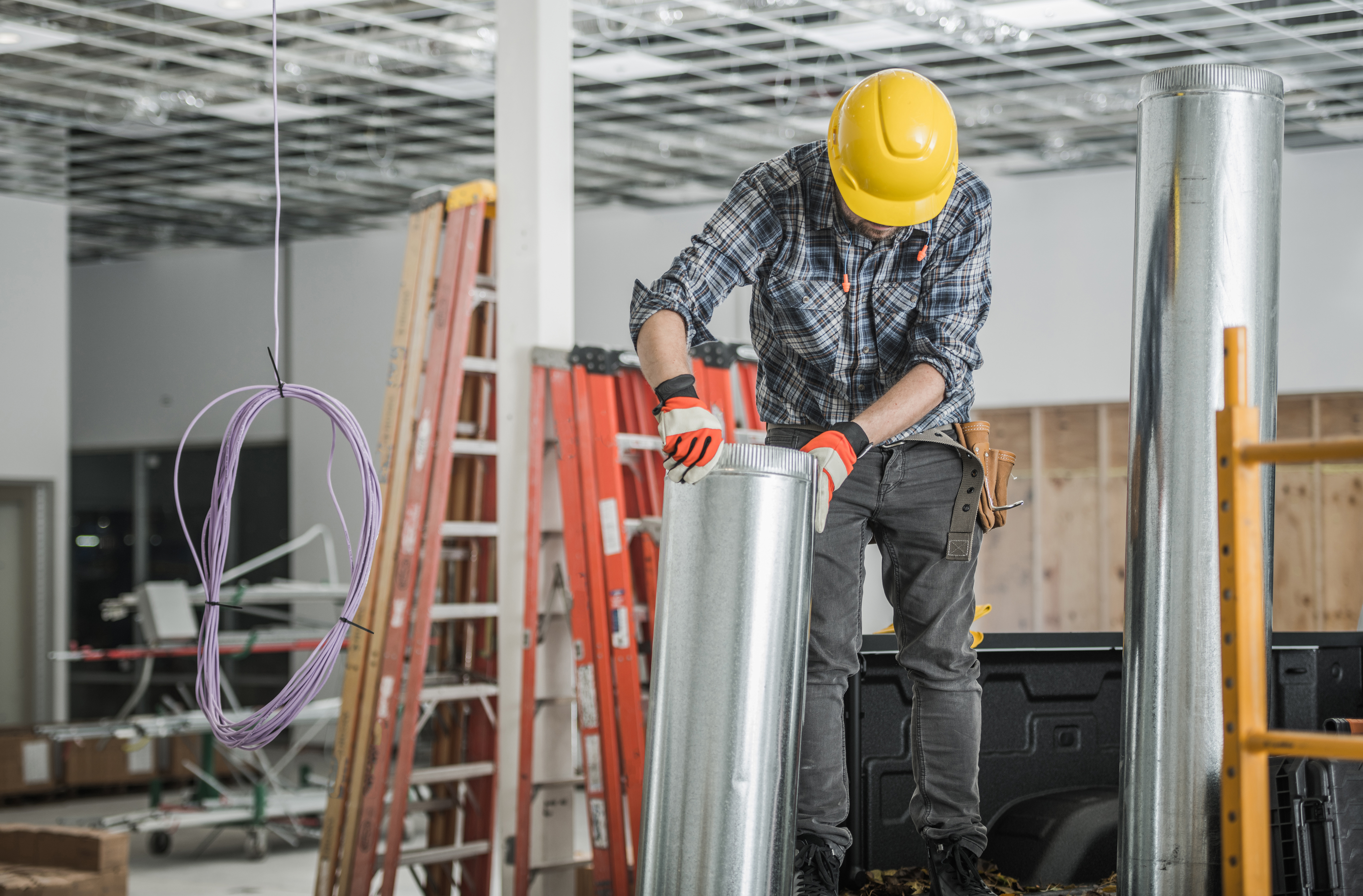
Concept Development
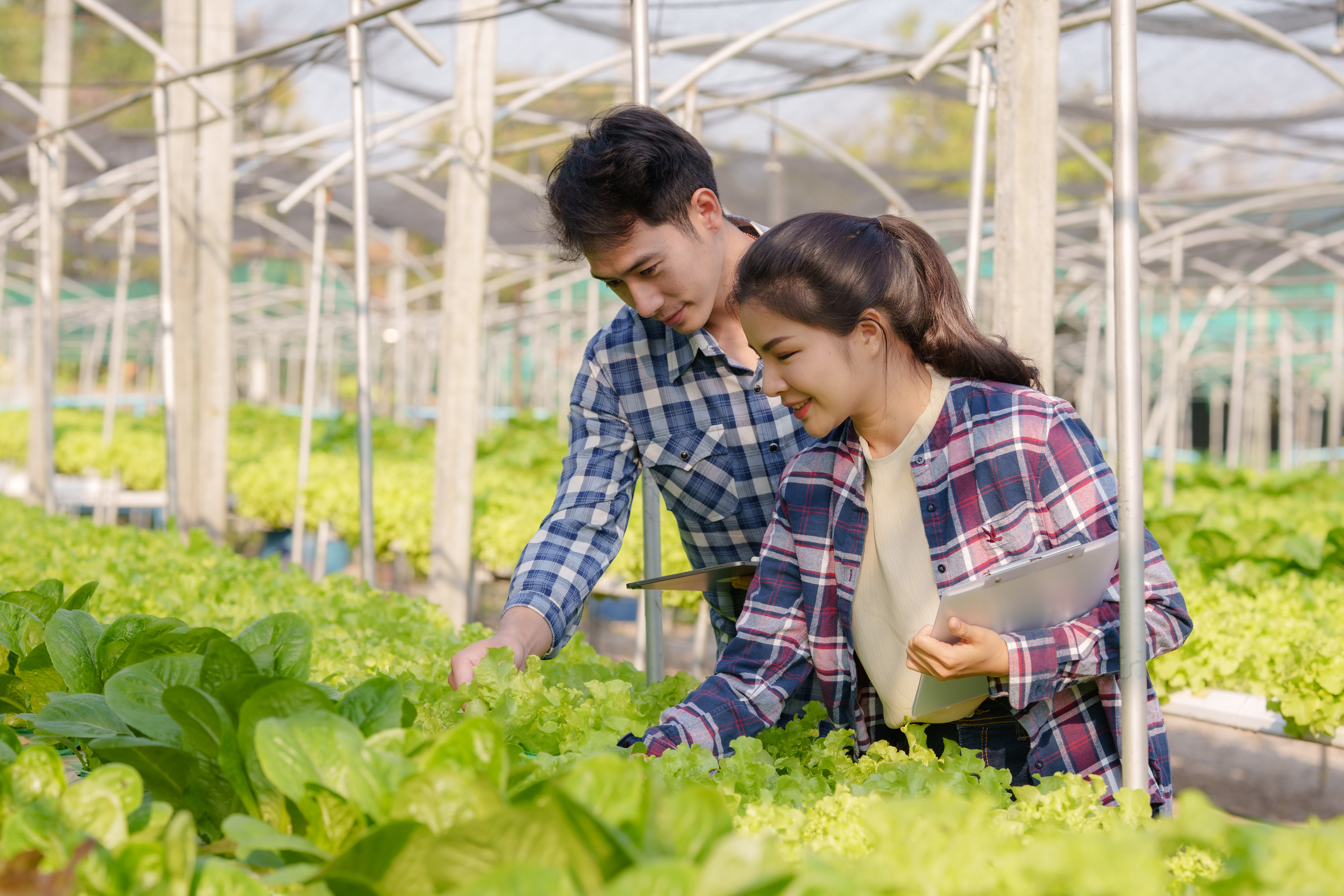
Digital Artwork
Design Application
Drying
Common Questions
Most Popular Questions
Lorem ipsum dolor sit amet, consectetur adipiscing elit. Ut elit tellus, luctus nec ullamcorper mattis, pulvinar dapibus leo.
Feed the non-woven fabric roll into the cutting machine. Print any logo/message on the cut fabric pieces in the printing machine. Fold the printed fabric into bags using automated folders. Attach handles on the folded bag's side using the handle attaching the machine.
The Non Woven Bag Making Raw Material is 20 to 120 gsm non woven fabric which is available with roll width up to 126 inches. The Non Woven Bags Material Composition is polypropylene non woven fabric.
Not only are they stronger and more durable, but they are also reusable and eco-friendly the long-term benefits of non-woven PP bags make them a cost-effective and responsible choice for anyone looking to reduce waste and protect the planet.
In 2024, as digital technology continues to dominate the decoration landscape, digitally decorating non-woven fabric bags emerges as a standout solution. The XJET Switch direct-to-bag digital UV inkjet printer is excelling at decorating non-woven fabric bags for a variety of industries.
What is the non-woven bags project cost? The non woven bags project cost varies from 1000 to 5000 GBP.
Non-woven PP is made by taking polypropylene polymers and spinning them using heat and air into long fluffy threads, like cotton candy, then pressing the threads together between hot rollers to get a flexible but solid fabric with a weave-like texture similar to canvas.
Cotton nonwovens have the characteristics of excellent absorption and release, while also offering superior comfort and softness. Nonwoven cottons are ideal for applications such as cosmetic wipes, baby diapers, adult incontinence products, hygiene products, cleaning wipes, medical bandages, equine bandages, and more.
Because non-woven bags are bio-degradable and plastic bag is non-biodegradable so the first thing we should use non-woven bags because it is Eco-friendly and bio-degradable. Today there are many available non woven bags manufacturer in India that make non-woven bags.
Nonwoven fabrics are broadly defined as sheet or web structures bonded together by entangling fiber or filaments (and by perforating films) mechanically, thermally or chemically. They are flat or tufted porous sheets that are made directly from separate fibres, molten plastic or plastic film.
Woven or Nonwoven Polypropylene Bags: Machine-wash on gentle cycle with soap and cold water or hand-wash with soap and water, line dry. Nylon or Polyester Bags: Hand-wash in warm water and soap.